
Role
Research & Design Lead
Client
Elsevier
Team
Data science & Differential Diagnosis
Type
Validation research & Concept design
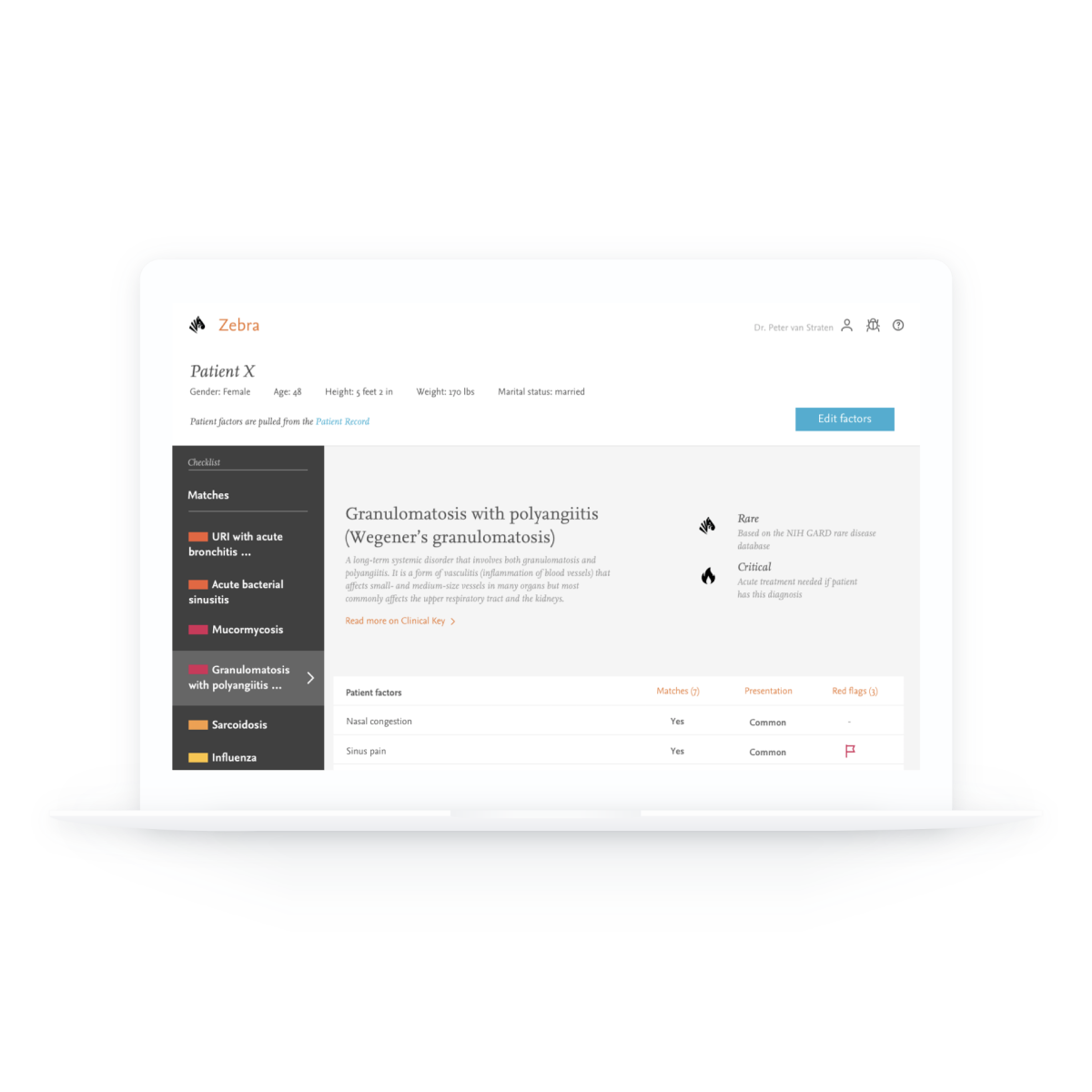
Zebra aids doctors in diagnosing patients who may have a rare disease.
Zebra is a Differential Diagnosis tool we designed in partnership with Elsevier’s data science team to aid doctors in diagnosing patients who may have a rare disease.
We interviewed and tested our prototypes with 15 doctors and medical staff and co-designed with subject matter experts such as practicing doctors and epidemiologists who understood the data as well as the practicalities of diagnosing a patient within a 10 minute visit.
We quickly found that our initial concepts were too involved for such a quick paced environment. 9/10 patients who walk into a practice can be diagnosed reliably within 10 minutes. It’s the 1/10 times where a doctor might second guess themselves. In these cases they often call a more experienced doctor to get their opinion. The more experience a doctor has the more rare cases they’ve seen and they are more likely to catch a rare and acute disease.
There is a common saying among doctors:
“If you hear hoofbeats look for horses not zebras”
Meaning, it is more likely that the symptoms you’re hearing about refer to something common rather than something unusual. Still every experienced practitioner has a story of a time they had a patient with something rare and difficult to diagnose. Those are the cases they never forget.
This tool is not needed often. But it is an invaluable resource for doctors to tap into the equivalent of a wealth of world-wide medical experience. When a patient is suffering something rare and unusual this tool can quickly pinpoint the most likely diagnosis. We can find the Zebras.

My team conducted a quick and intensive research effort to define the MVP for the Differential Diagnosis tool. As a result of our collaborative work with subject matter experts and testing with doctors and medical staff we greatly reduced the scope of the tool to focus on the rare diseases only and to do so with minimal interaction from medical staff and doctors.
We worked closely with the data science team to build a data model that would output the kind of statistics most relevant to doctors when trying to diagnose patients.
We delivered our research report with functional prototypes demonstrating MVP features and supplemented with 2.0 recommenced features for the future.
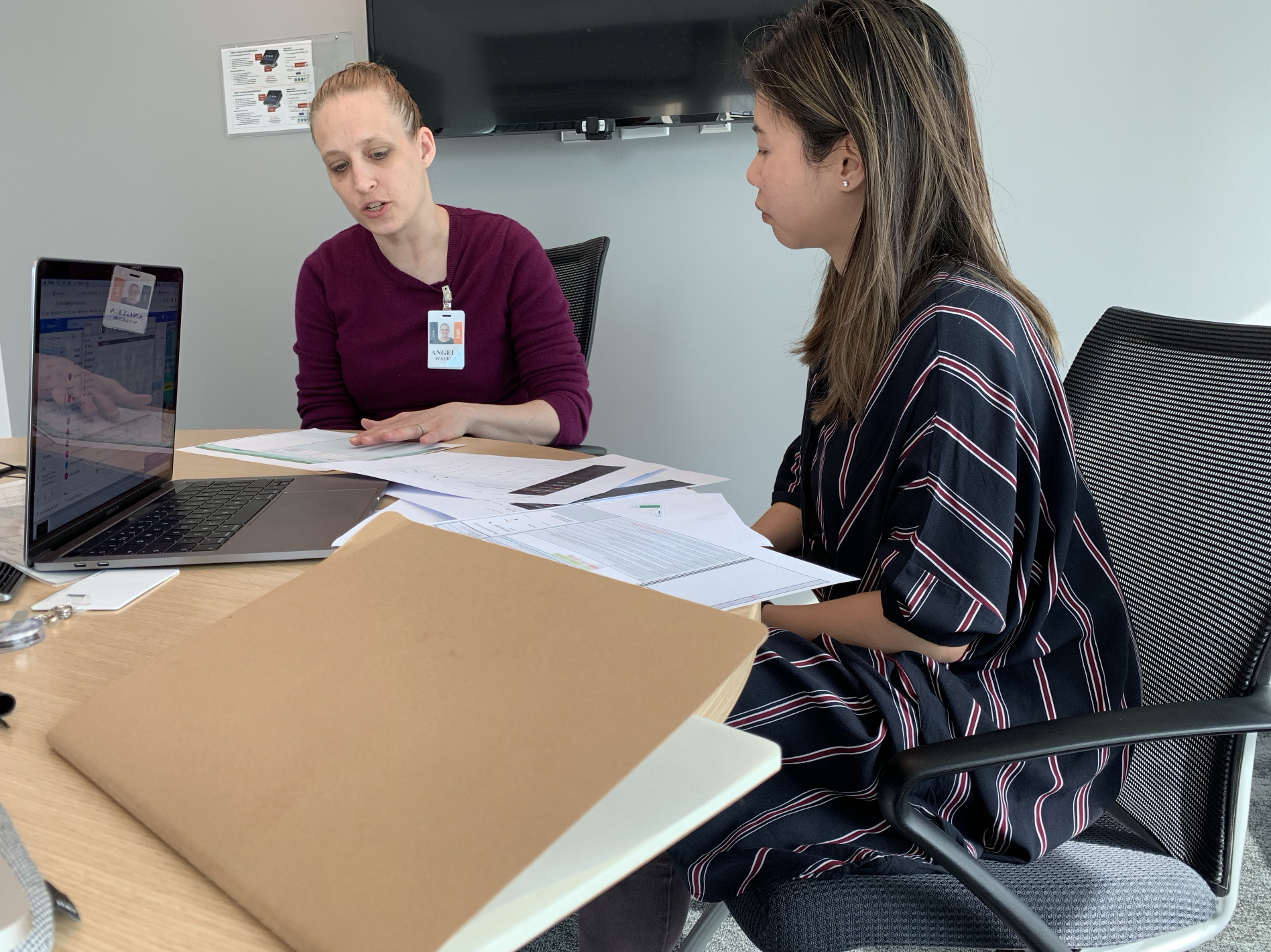
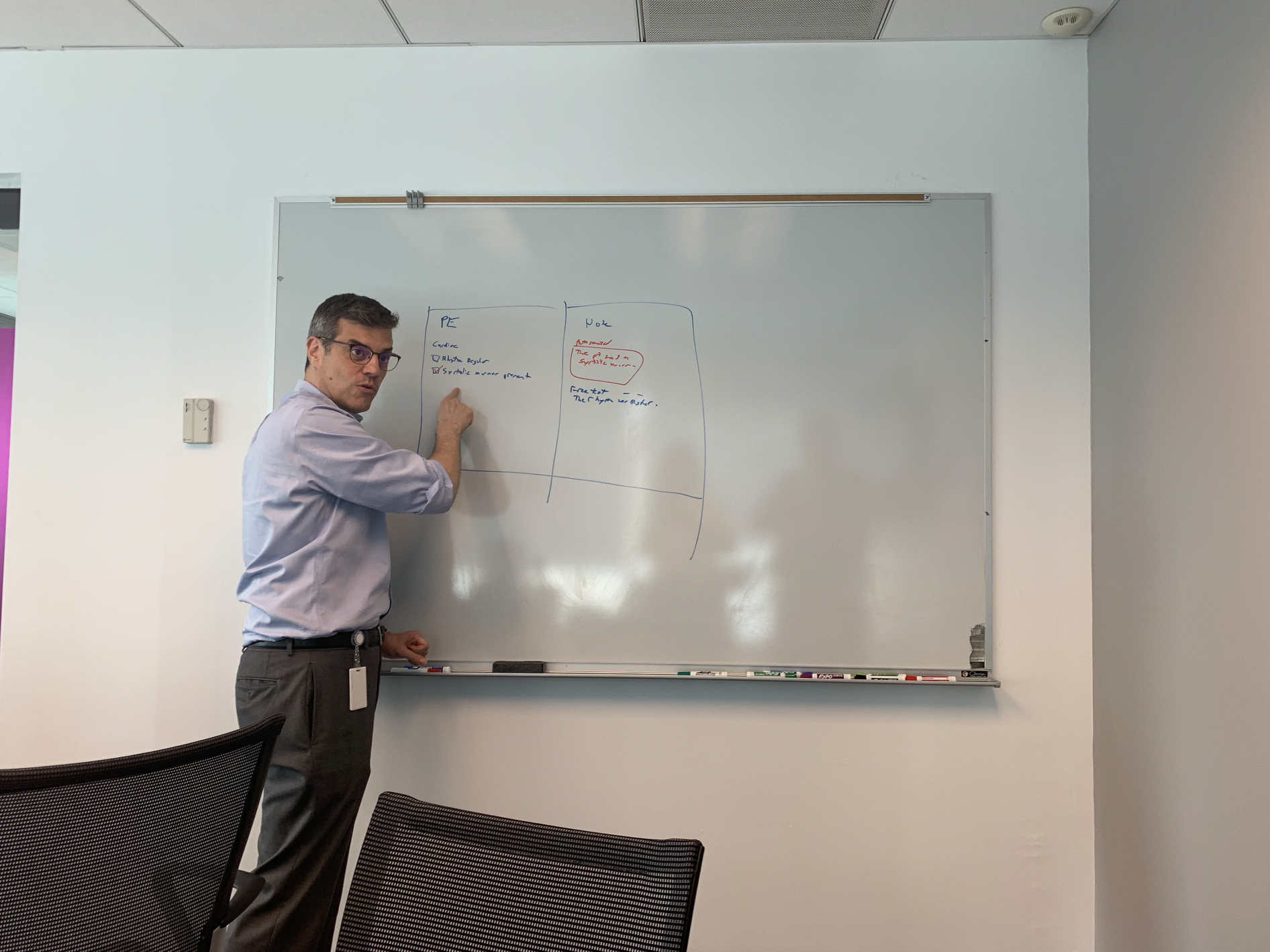
Co-design sessions with Subject Matter Experts were essential to getting the MVP features right.
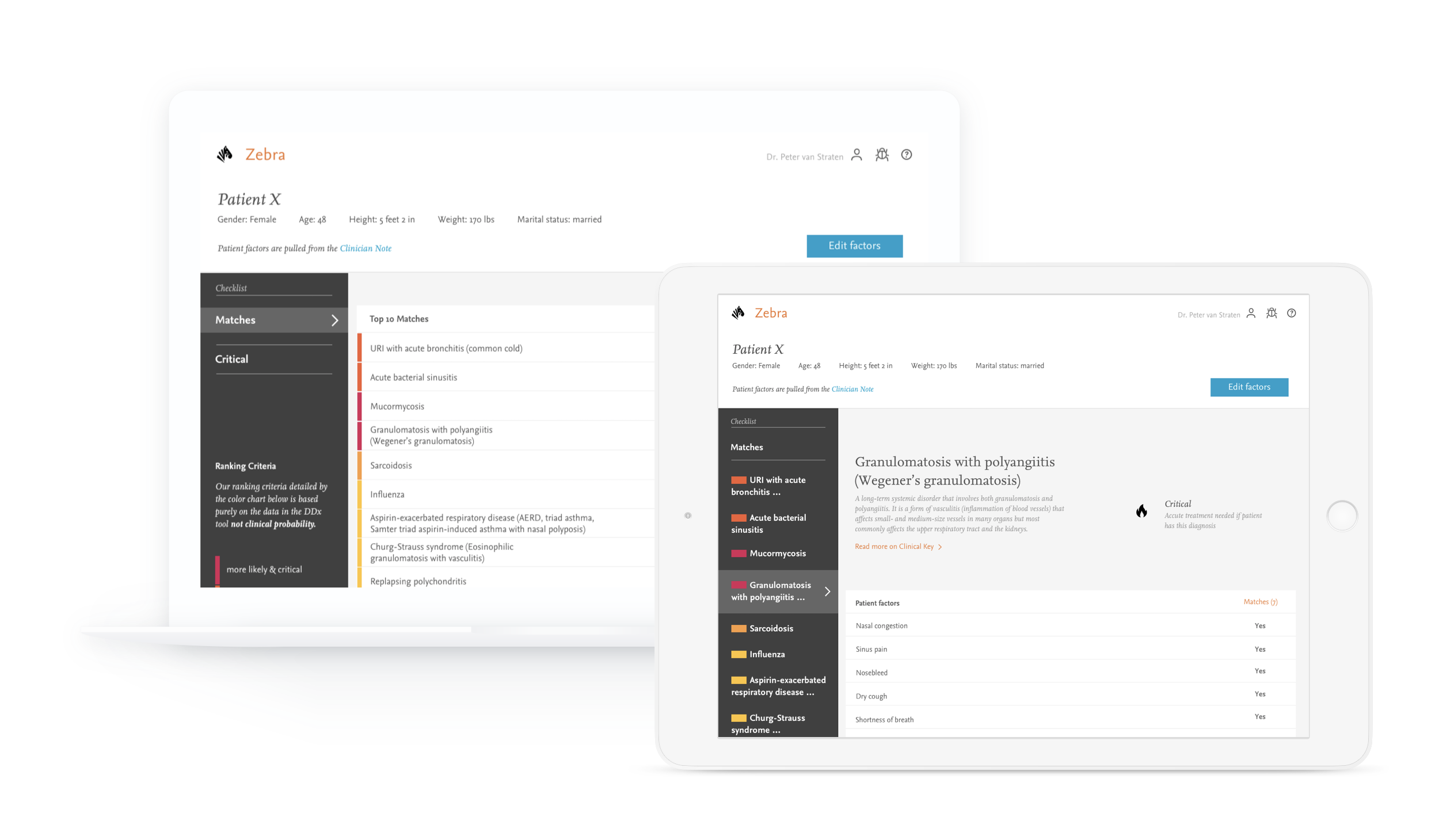
Each potential diagnosis is color coded depending on likelihood given the patient factors and based on how critical, or acute the diagnosis would be.
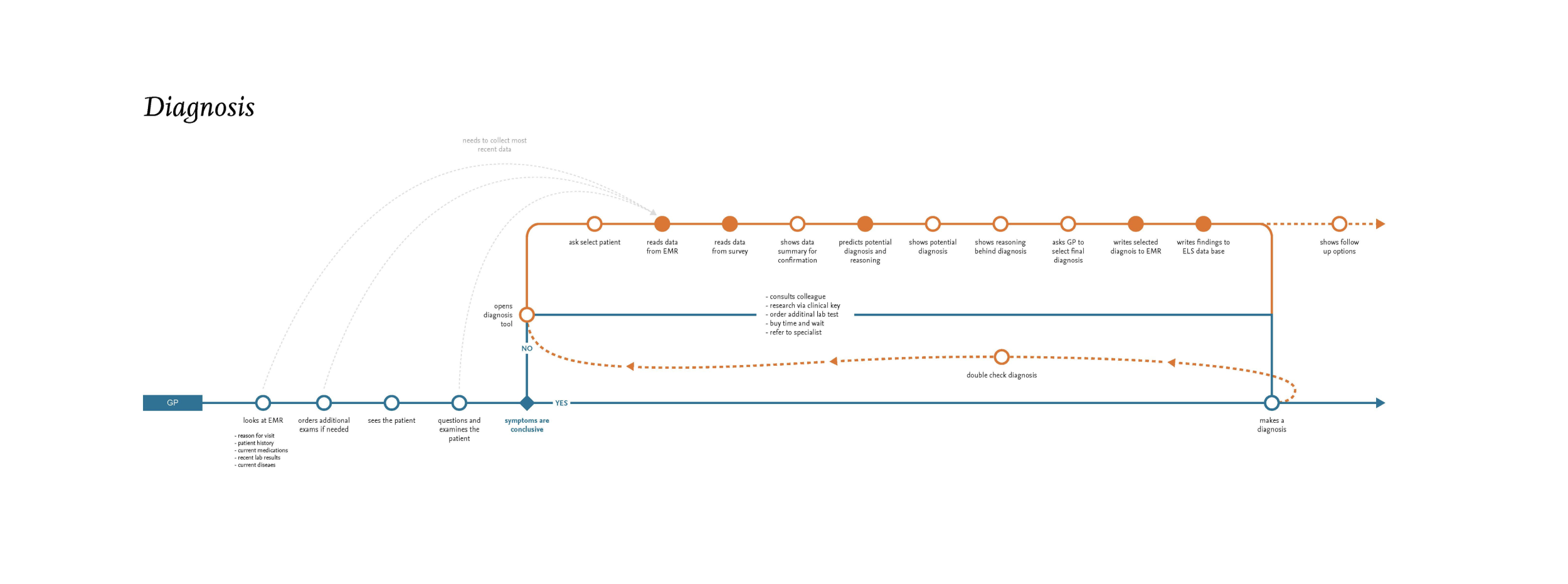
Integration with the Electronic Medical Record was essential
This tool integrates into the Electronic Medical Record (EMR) to pull patient symptoms and test results and output a list of likely diagnosis, including rare and unusual diagnoses.
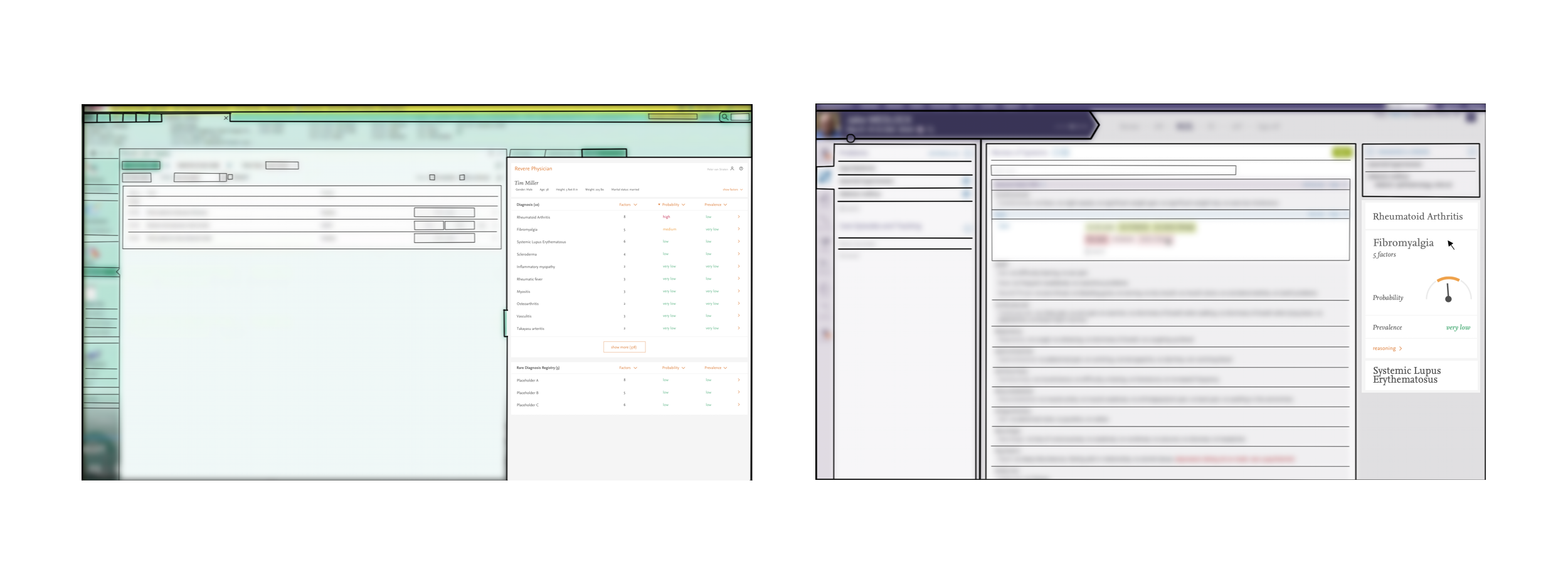
EMR integration with iFrames, Widgets and Links to launch a standalone application. EMRs are often customized by the practice to suit their needs.
The Patient Symptom Survey is a complimentary tool to help hospitals and practices save time.
To supplement the Zebra Differential Diagnosis tool, we also did some research on another concept, the patient symptom survey. While the patient symptom survey was not part of the MVP recommendation, our participants still found it useful for hospital and practice staff to save time. The patient symptom survey is filled out online when the patient uses a patient portal to schedule their appointment, or on a practice iPad or on their own device in the waiting room after they’ve checked in. The symptoms reported in the survey are sent to the patient’s Medical Record as a suggested entry to be checked by a nurse practitioner or by the doctor. This saves medical staff time entering symptoms and notes in the patient’s record.

Patients can fill in their symptoms on their own devices or a provided tablet before their appointment.
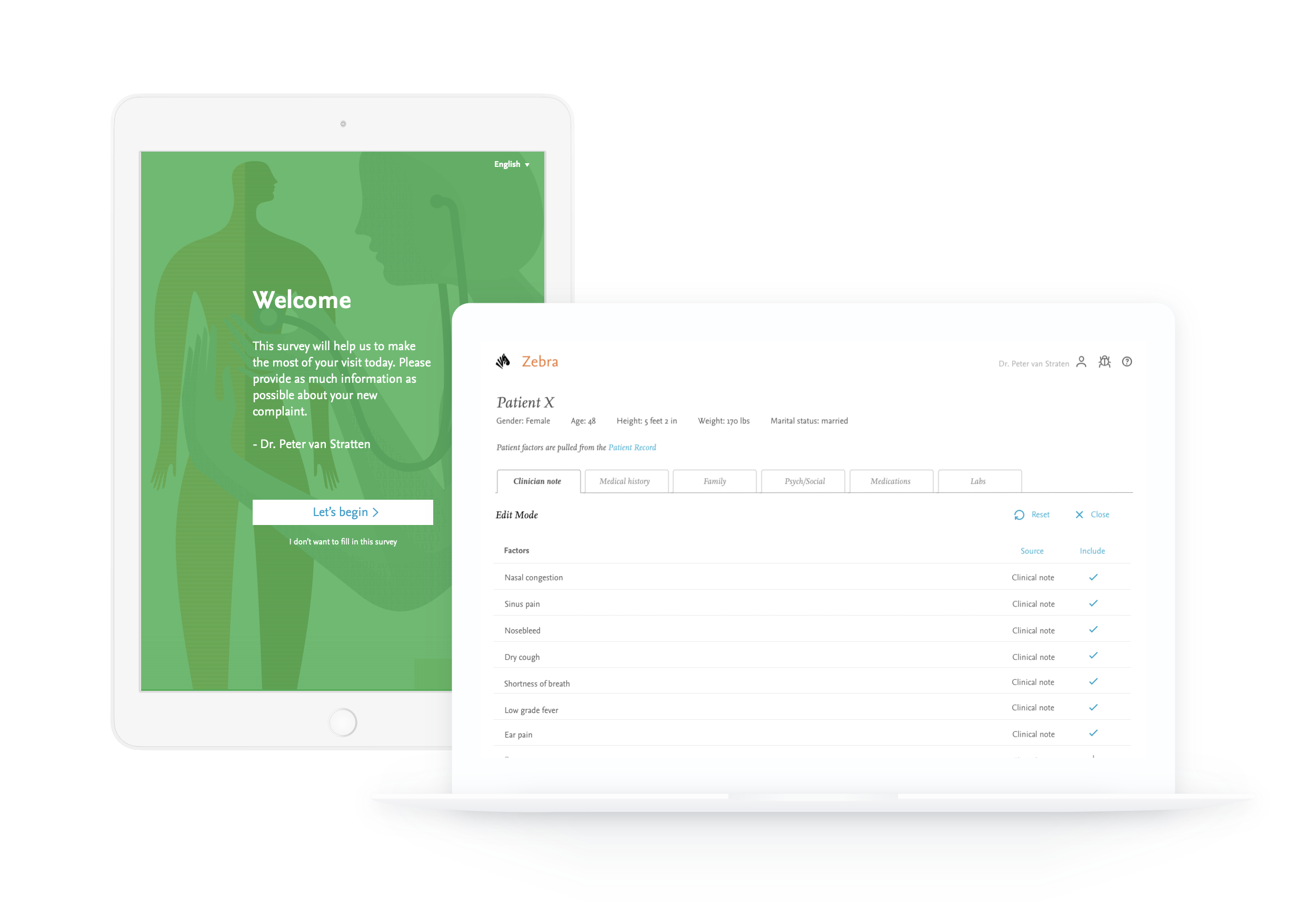
The symptoms, once validated by a check up with the doctor, are also integrated in the Zebra differential diagnosis tool.